
Why are bees important? Facts + How To Help + DIY Project
On Sale
$0.99
$0.99
"My students loved bringing this home and sharing with their families what we were learning about pollination at school!"
Ellie K.
Why are bees important? Facts + How To Help + DIY Project
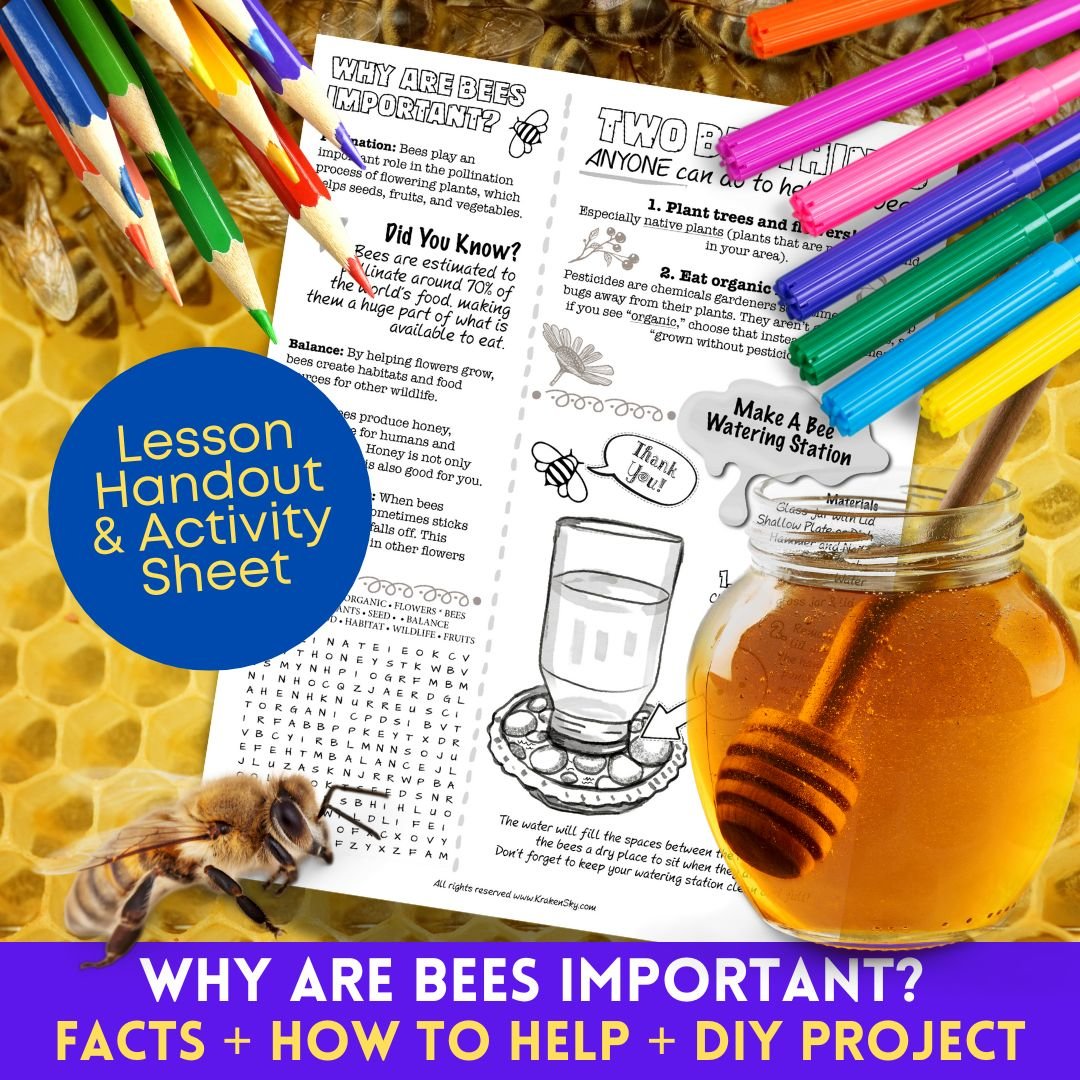
“Why Are Bees Important?” – Bee Conservation & Activity Page with Bee Watering Station
Teach students why bees matter and how they can help!
This printable activity page explains:
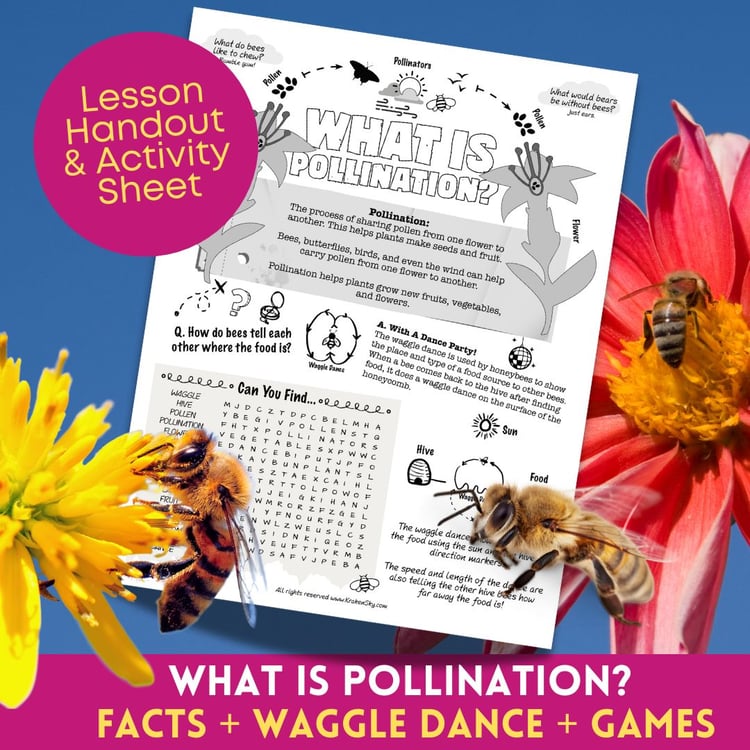
- Why bees are important for pollination, balance, honey production, and spreading seeds
- How bees help 70% of the world’s food supply
- Two simple actions kids and families can take to support bees (plant native flowers and eat organic foods)
- How to make a Bee Watering Station with everyday materials
Includes:
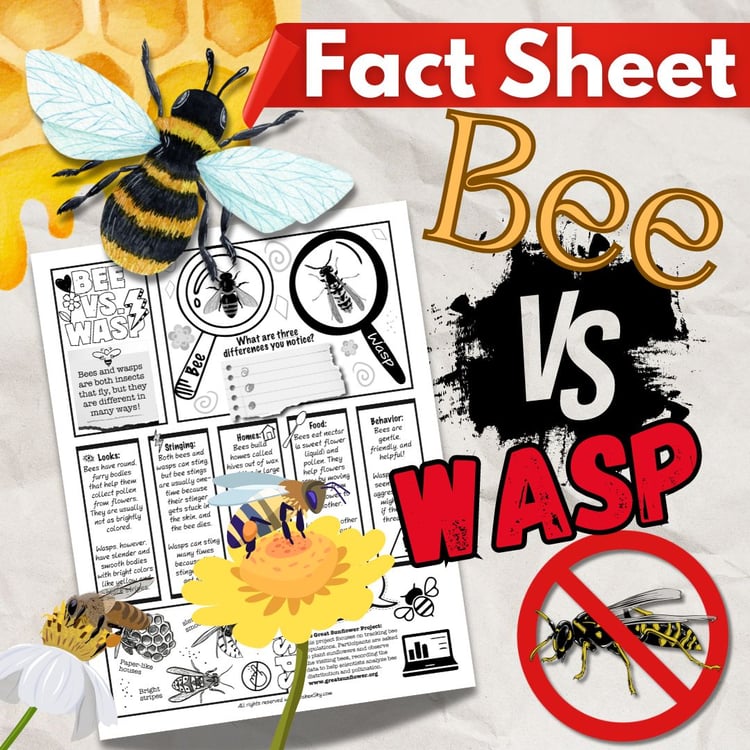
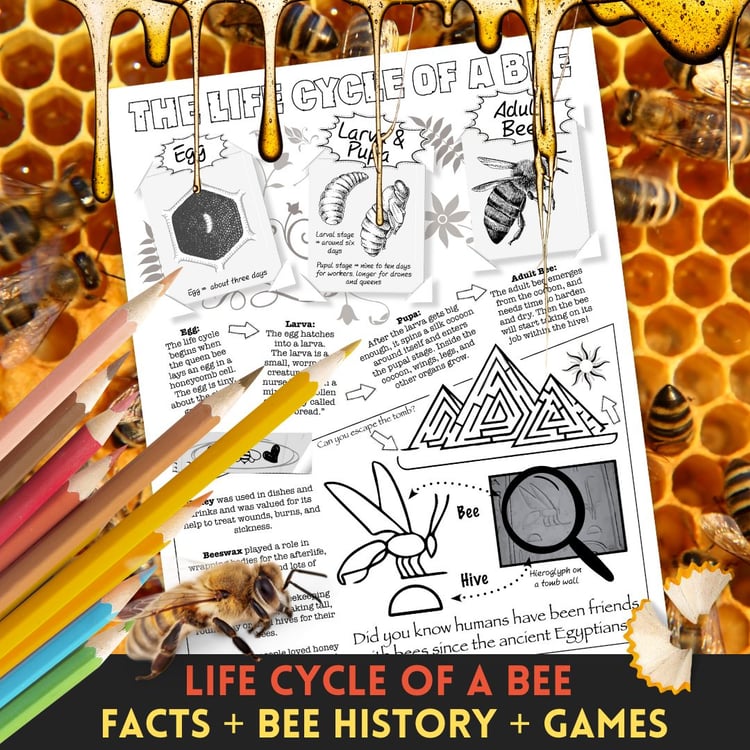
- Illustrated Explanation of Bee Importance
- Did You Know? Fun Fact Box
- Hands-on STEM Activity (Bee Watering Station)
- Word Search Puzzle reinforcing key terms (pollinate, organic, native plants, habitat, food, wildlife, fruits)
Curriculum Alignment:
NGSS (Next Generation Science Standards):
- K-LS1-1: Use observations to describe patterns of what plants and animals (including humans) need to survive.
- K-ESS3-3: Communicate solutions that will reduce the impact of humans on the land, water, air, and/or other living things.
- 2-LS2-2: Develop a simple model that mimics the function of an animal in dispersing seeds or pollinating plants.
- 3-LS4-3: Construct an argument with evidence that in a particular habitat some organisms can survive well, some less well, and some not at all.
- 5-ESS3-1: Obtain and combine information about ways individual communities use science ideas to protect Earth’s resources and environment.
CCSS (Common Core State Standards – English Language Arts):
- CCSS.ELA-LITERACY.RI.1.2: Identify the main topic and retell key details of a text.
- CCSS.ELA-LITERACY.RI.2.7: Explain how specific images contribute to and clarify a text.
- CCSS.ELA-LITERACY.RI.3.7: Use information gained from illustrations (e.g., diagrams) and the words in a text to demonstrate understanding of a process.
- CCSS.ELA-LITERACY.W.3.2: Write informative/explanatory texts to examine a topic and convey ideas and information clearly.
Skills Practiced:
✅ Reading informational text
✅ Vocabulary building
✅ Environmental stewardship concepts
✅ Following a hands-on STEM activity
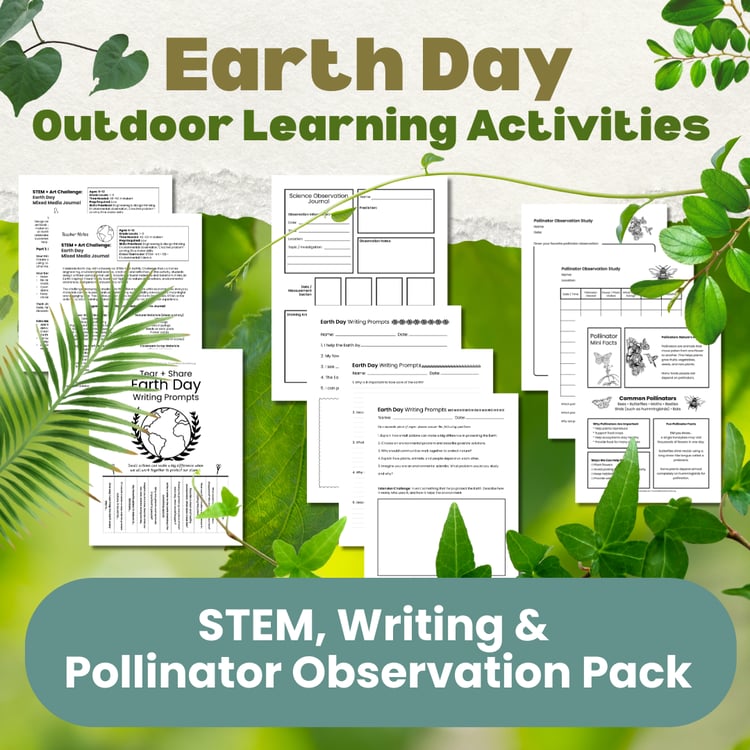
Great for Earth Day, environmental science units, or pollinator awareness lessons.