


Emotional Weather SEL Toolkit | Feelings Check-In, Calm Down Strategies, Emotional Regulation & Reflection Activities
My Emotional Weather Station Toolkit | SEL Activities, Feelings Check-In, Calm Down Strategies, Reflection Journal
Help students understand their emotions in a way that feels natural and easy to talk about.
My Emotional Weather Station Toolkit uses weather as a simple metaphor to help children recognize, express, and regulate their feelings. Students already understand sunny, cloudy, and stormy weather—so connecting emotions to weather gives them language for feelings they may not yet know how to describe.
This engaging Social Emotional Learning resource helps students check in with their feelings, reflect on what triggered them, and practice strategies to calm emotional “storms.”
Perfect for morning meetings, counseling groups, calm-down corners, SEL lessons, and end-of-day reflection.
What’s Included
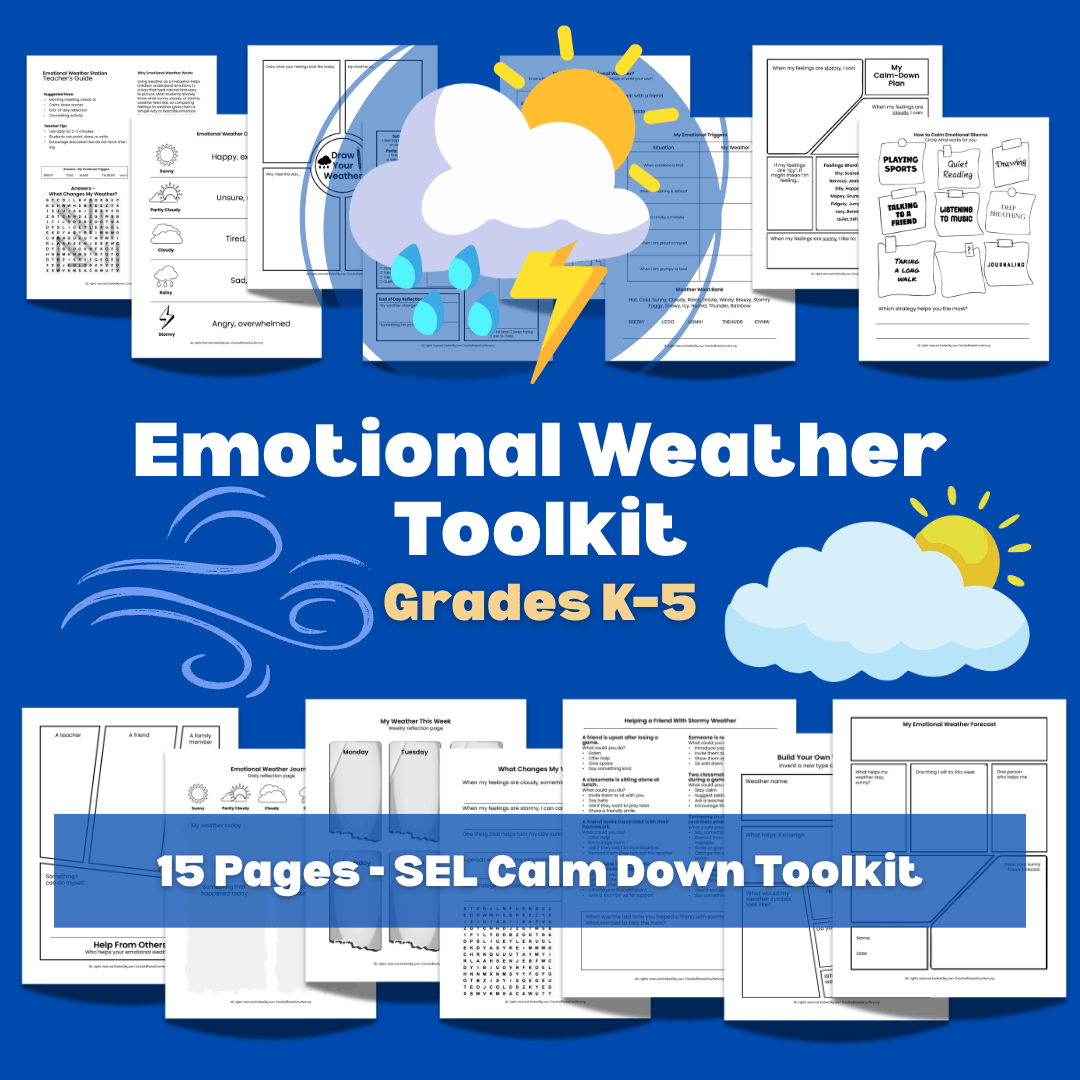
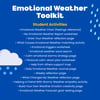
This printable 15-page SEL toolkit includes a variety of engaging activities that help students explore emotions in multiple ways:
Teacher Support
• Teacher guide with suggested classroom uses
• Explanation of why emotional weather works as an SEL strategy
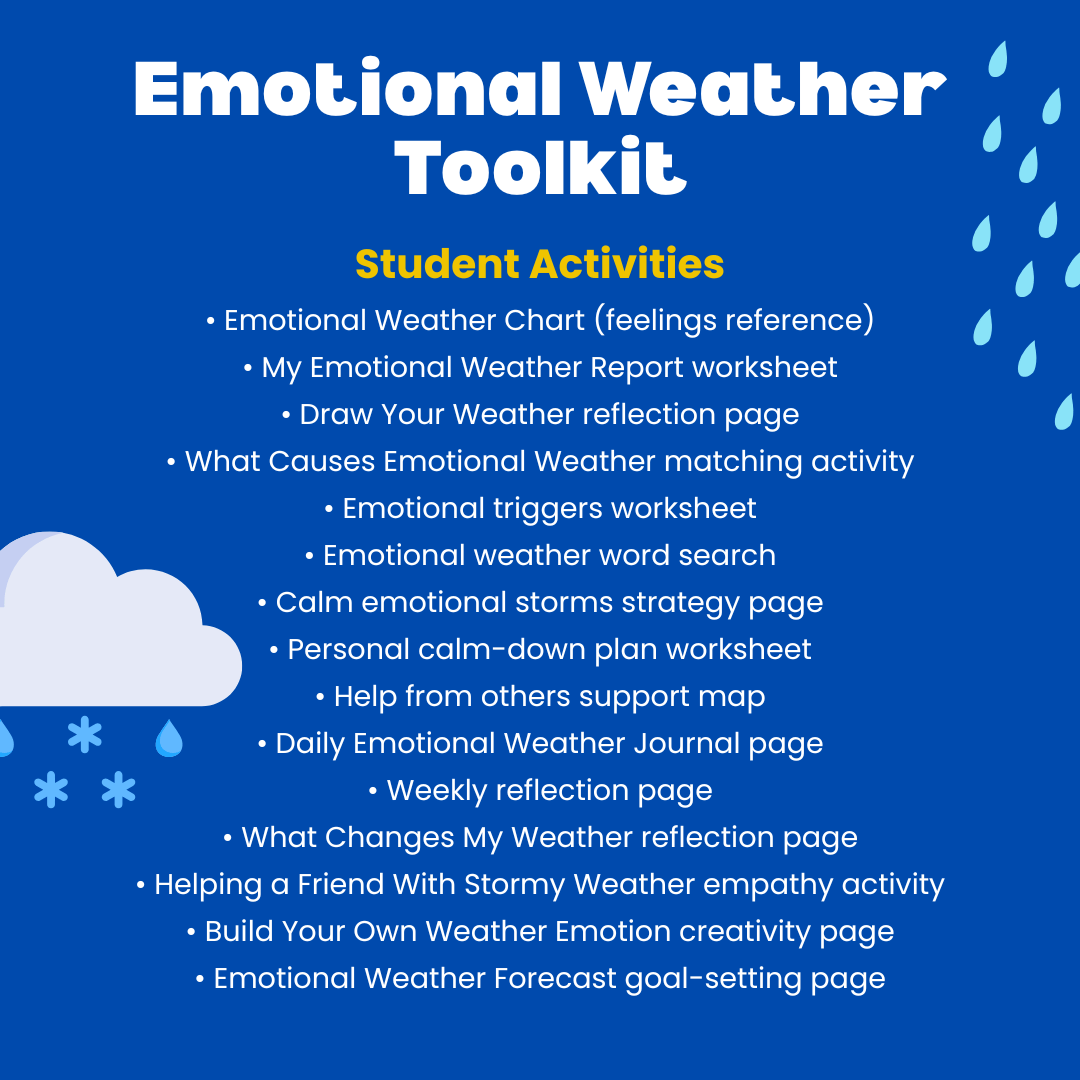
Student Activities
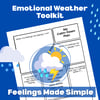
• Emotional Weather Chart (feelings reference)
• My Emotional Weather Report worksheet
• Draw Your Weather reflection page
• What Causes Emotional Weather matching activity
• Emotional triggers worksheet
• Emotional weather word search
• Calm emotional storms strategy page
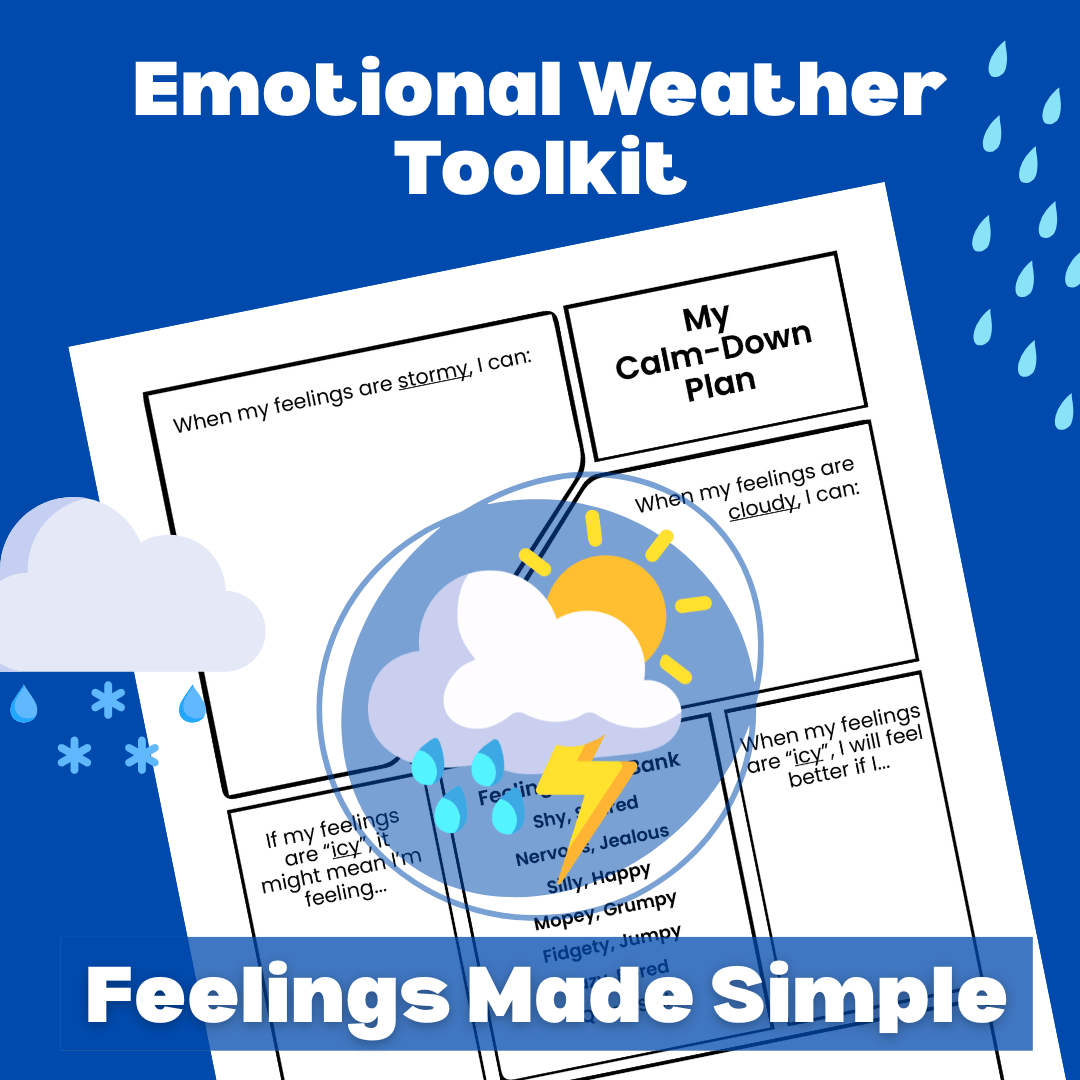
• Personal calm-down plan worksheet
• Help from others support map
• Daily Emotional Weather Journal page
• Weekly reflection page
• What Changes My Weather reflection page
• Helping a Friend With Stormy Weather empathy activity
• Build Your Own Weather Emotion creativity page
• Emotional Weather Forecast goal-setting page
Skills Students Practice
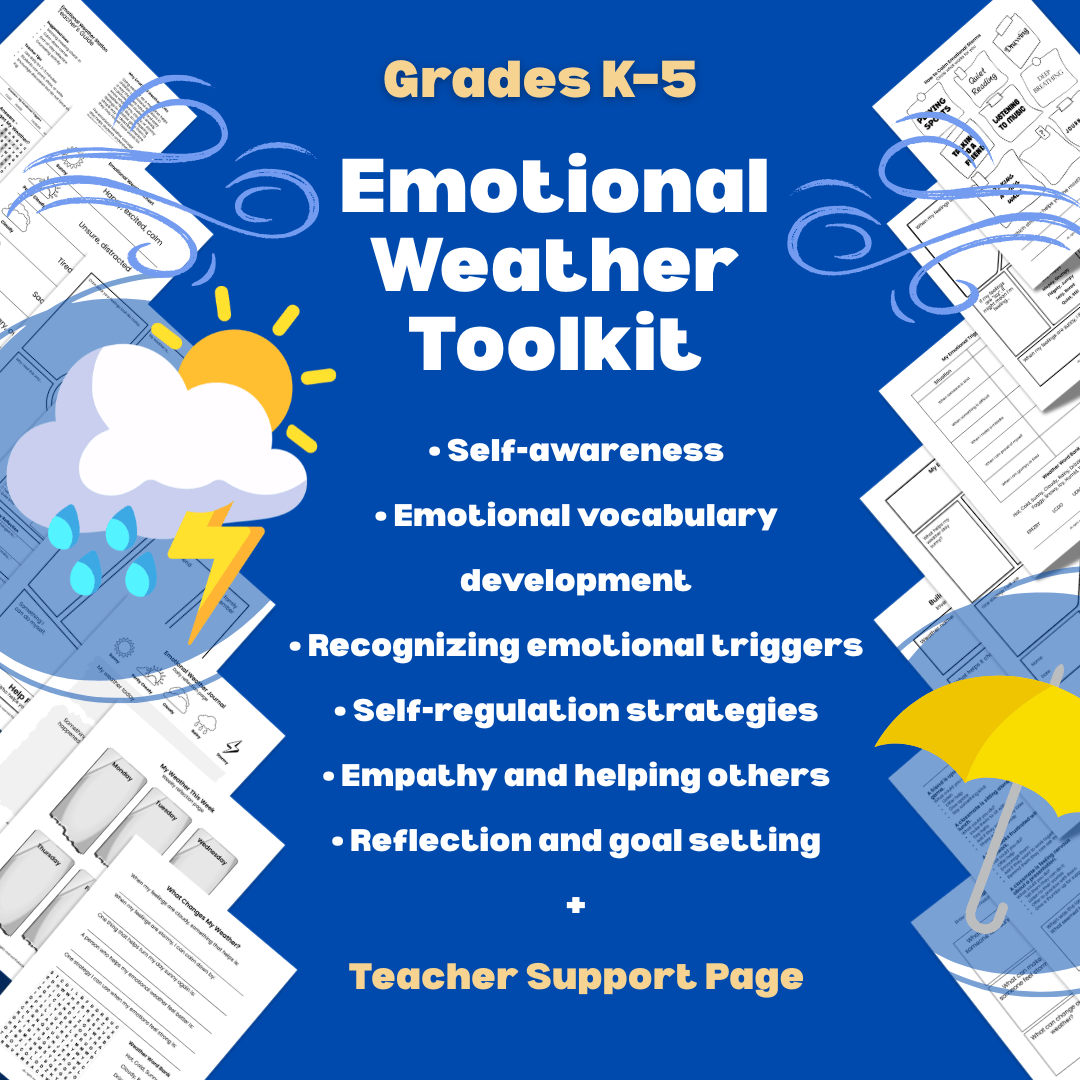
This resource supports important Social Emotional Learning (SEL) skills, including:
• Self-awareness
• Emotional vocabulary development
• Recognizing emotional triggers
• Self-regulation strategies
• Empathy and helping others
• Reflection and goal setting
Students learn that emotions change over time—just like the weather—and that they can develop strategies to help their emotional weather improve.
Perfect For
✔ Morning meeting emotional check-ins
✔ Calm down corners
✔ School counseling activities
✔ SEL small groups
✔ Daily reflection journals
✔ Classroom community building
✔ Behavior and emotional regulation support
Grade Levels
Best for Grades K–5
Also works well for SEL intervention groups and counseling sessions.
Why Teachers Love Emotional Weather
Students often find it easier to say, “I’m feeling stormy today,” rather than trying to explain complex emotions. This metaphor creates a safe and simple way to talk about feelings while encouraging supportive classroom conversations.
This product is the full version of: FREE My Emotional Weather Report worksheet! SEL Spring Printable
Also see: Time to Be Calm – Mindfulness & SEL Poster | Calm Corner Visual & Coloring Page
Color + Mood Meanings Chart & Drawing Prompt | SEL + Art Integration Printable
I’d Love to Hear From You!
If you use this activity, I’d love to know how it goes in your classroom or at home! Feel free to tag me on social media @creativebrainsgrowhere — I love seeing how learners explore science through hands-on creativity!
As an educator, author, and illustrator, your reviews and feedback help me continue creating meaningful, kid-friendly resources that support curious minds.
Thank you, and have a fantastic week!
— Julianne (J)
FAQ
What is an emotional weather activity for kids?
An emotional weather activity helps children describe their feelings using weather words like sunny, cloudy, rainy, or stormy. This makes it easier for students to talk about emotions and recognize how feelings change over time.
How can teachers use emotional weather check-ins in the classroom?
Teachers can use emotional weather activities during morning meeting, SEL lessons, counseling sessions, calm-down time, or end-of-day reflection to help students express how they feel and practice emotional regulation strategies.
Why do weather metaphors help children understand emotions?
Weather metaphors are familiar and visual. When students connect emotions to weather patterns, they learn that feelings can change, pass, and improve—just like the weather.
What grade levels are emotional weather activities best for?
Emotional weather activities work well for Kindergarten through 5th grade, especially for SEL lessons, counseling groups, and classroom community building.
How do emotional weather journals help students?
Emotional weather journals help students build self-awareness by reflecting on their feelings, identifying triggers, and practicing strategies that help calm emotional storms.
What SEL skills do emotional weather worksheets teach?
These activities support key social-emotional learning skills, including:
• self-awareness
• emotional regulation
• empathy
• problem solving
• reflection and goal setting
Created by
Creative Brains Grow Here
Nature-inspired resources designed to help children explore emotions, curiosity, and learning.